Space Heaters, Chimneys, Trees: Winter Fire Safety
More than 6,400 Massachusetts heating fires were reported from 2020 to 2024. Here is what the State Fire Marshal says to do this winter.
- Fires
- More than 6,400 heating fires in Massachusetts from 2020 to 2024, with eight deaths, 153 injuries and over $52 million in damage
- Carbon monoxide
- Fire departments found CO at more than 4,700 non-fire incidents in 2024
- Clear zone
- Three feet in every direction around heaters, stoves, fireplaces and furnaces
- Season
- About 54% of Massachusetts residential fire deaths in an average year happen between November and March
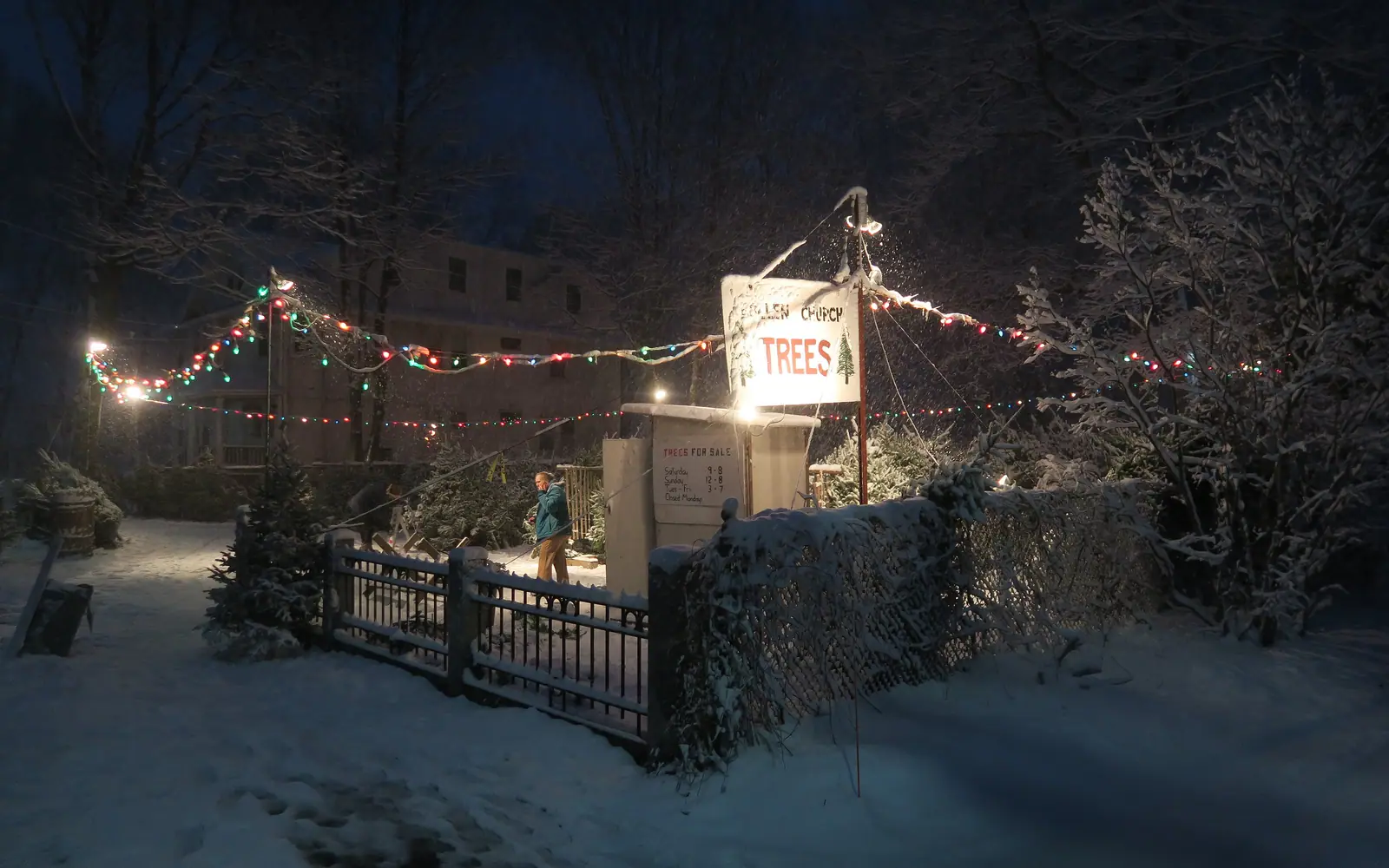
Heating equipment is the second-leading cause of home fires in Massachusetts and the leading source of carbon monoxide at home, according to the State Fire Marshal. The Department of Fire Services (DFS) says the fix is mostly routine: keep a three-foot clear zone, clean the chimney every year, put ashes in a lidded metal bucket outdoors, and water the Christmas tree every day.
The short version
The figures are from DFS’s November 10, 2025 release and its October 26, 2026 release. The 2026 release adds that home heating equipment was the second-leading cause of house fires in 2025 and that firefighters met CO hazards at about 5,000 calls last year. DFS’s chimney page says about half of all Massachusetts heating fires involve chimneys, fireplaces and wood stoves.
Space heaters
DFS’s advice for portable electric heaters is short.
- Keep them at least three feet from curtains, bedding and anything that can burn.
- Plug them directly into a wall socket, never an extension cord or a power strip.
- Treat them as temporary, and turn them off when you leave the room or go to sleep.
- Buy one tested and labeled by a lab such as UL or Intertek (ETL), with an automatic shut-off that turns it off if it tips over.
- Unvented kerosene space heaters and portable propane space heaters are not permitted for residential use in Massachusetts, because of fire and CO risk.
For renters: a portable electric heater does not count as the landlord’s required heat. See no heat, renters’ rights.
Get home guides like this by email
Free, no ads. Unsubscribe in one click.
Free bonus when you join: the printable December plan. Unsubscribe in one click.
Chimneys, wood stoves and fireplaces
DFS says most chimney fires start with creosote, a tarry buildup from burning wood. Its steps:
- Have the chimney and flue professionally inspected and cleaned every year. Cracks in the flue or masonry can let embers and hot gases reach the structure. DFS points to the Massachusetts Chimney Sweep Guild and the Chimney Safety Institute of America for finding companies.
- Burn only dry, seasoned hardwood, and never use flammable liquids to start a fire.
- Check that the damper is open before lighting. DFS says a closed damper lets smoke and carbon monoxide build up in the house.
- Use a screen in front of a fireplace, or keep the stove door closed while it burns, to stop sparks and embers.
- Get a permit before installing a stove. DFS says a building permit is needed to install a fireplace or a wood, pellet or coal stove, and the local building inspector must inspect it before use.
Ashes
Wait until ashes are cool. Shovel them into a metal bucket with a metal lid and set it outside on the ground, away from the building (the November 2025 release says at least 10 feet away). DFS’s October 2024 reminder adds that ashes do not go in the trash.
Generators
A portable generator is a CO source. DFS says to run it outdoors, facing away from doors, windows and vents, and at least 10 feet from the house. Never run one in a house, basement or crawl space, or even in a garage with the door open. Have a licensed electrician install a transfer switch, because connecting a generator straight to a home’s wiring can electrocute utility workers. Let it cool before refueling, and store gasoline in a shed or detached garage rather than in the house or an attached garage. DFS also says to have working CO alarms on every level (see our smoke and CO alarm rules). For outage numbers see who to call in a power outage.
Christmas trees
DFS’s line is that a dry tree can burn like a forest fire in the living room. Its tree advice:
- Pick a fresh tree: needles should bend and stay on the branch, not crack or fall off when you run your hand along it.
- Have about two inches cut off the bottom before it goes in the stand.
- Use a sturdy stand and keep the tree at least three feet from any heat source, including fireplaces, wood stoves, heating vents, radiators and space heaters.
- Keep it away from doors and windows, which are escape routes.
- Water it every day, sometimes more than once at first, and discard it promptly once it dries out.
- Use lights listed by a lab such as UL or Intertek/ETL, check older strings for cracks and wear, and turn them off when you leave or go to bed.
- Keep lit candles at least three feet from the tree. DFS says almost half of home decoration fires start with candles or other heat sources too close to decorations.
DFS’s holiday page says many home fires occur between Thanksgiving and New Year’s. When the tree is done, see Christmas tree pickup and disposal for your town’s dates.
For help paying heating bills, see heating help and shutoff protections.
Checked November 14, 2026 against the sources listed below.
Get home guides like this by email
Winter prep, rebates and the practical chores, one useful guide at a time.
Free bonus when you join: the printable December plan. Unsubscribe in one click.
Sources
- Mass.gov (Department of Fire Services): With Cold Weather on the Way, State Fire Marshal Urges Heating Fire Safety (Nov. 10, 2025)mass.gov
- Mass.gov (Department of Fire Services): "Fall Back" Into Safety: When You Change Your Clocks, Check Your Alarms (Oct. 26, 2026)mass.gov
- Mass.gov (Department of Fire Services): With Autumn in the Air, State Fire Marshal Offers Home Heating Reminder (Oct. 17, 2024)mass.gov
- Mass.gov (Department of Fire Services): Fireplace, Wood Stove, and Chimney Safetymass.gov
- Mass.gov (Department of Fire Services): Generator safetymass.gov
Show 4 more sources
- Mass.gov (Department of Fire Services): Carbon Monoxide (CO) Safetymass.gov
- Mass.gov (Department of Fire Services): State Fire Marshal Reminds Residents of Christmas Tree Fire Hazards (Dec. 10, 2025)mass.gov
- Mass.gov (Department of Fire Services): Christmas Tree and Decoration Safetymass.gov
- Mass.gov (Department of Fire Services): Winter Holiday Fire Safetymass.gov
Details such as dates, hours and prices come from the sources above and can change. Check with the organizer before you go.
How we report: every date, price and address comes from a linked source.


