Heating Oil, Propane and Gas Prices This Winter
Heating oil averaged $5.94 a gallon in Massachusetts the week of Nov. 9, up 59% from a year ago. Propane, gas and electric rates, and what they mean.
- Heating oil
- $5.94 a gallon average, week of 11/09/26, up 59% from a year ago (Mass.gov DOER)
- Propane
- $3.99 a gallon average, same week, up 13% (Mass.gov DOER)
- Natural gas
- Winter rates run Nov. 1, 2026 to April 30, 2027; $2.4999 to $2.6122 a therm for the three companies in the table below
- Electricity
- $0.35224 to $0.40014 a kWh for Eversource (NSTAR) and National Grid through Jan. 1, 2027
- Checked
- November 14, 2026, against the pages linked below
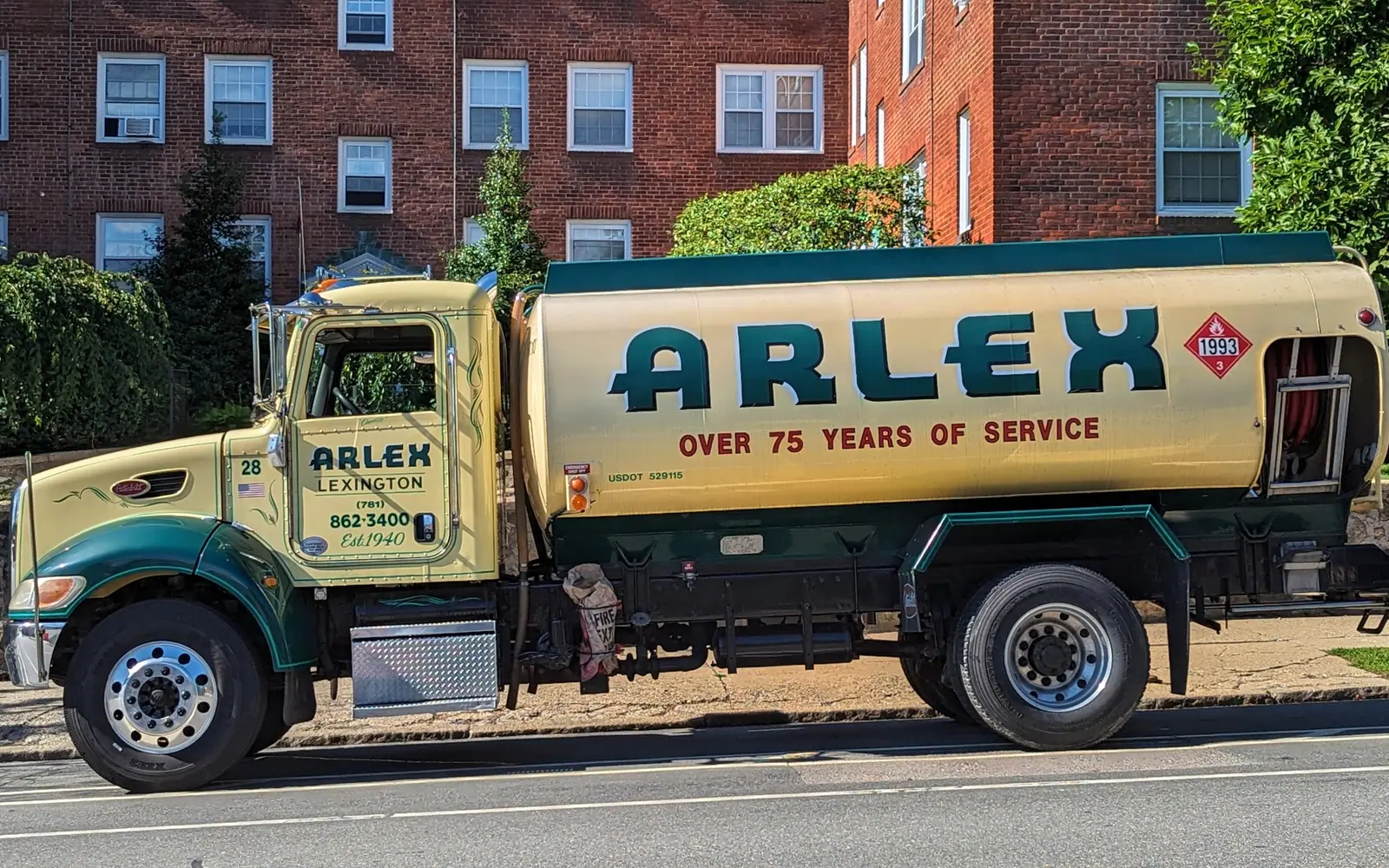
Heating oil is the one fuel that is far more expensive than a year ago: the state’s weekly survey put the average Massachusetts price at $5.94 a gallon for the week of November 9, 2026, against $3.74 a year earlier. Propane is up less, and natural gas and electric rates are set by utilities and published below.
Heating oil and propane, week of November 9
The Department of Energy Resources (DOER) phones full-service dealers every week from October to March and posts the average. Its table for 11/09/26 reads:
| Fuel | Average | High (90th percentile) | Low (10th percentile) | Week before (11/02/26) | A year ago |
|---|---|---|---|---|---|
| Heating oil | $5.94 | $6.76 | $5.35 | $6.17 | $3.74 |
| Propane | $3.99 | $5.07 | $3.25 | $4.00 | $3.53 |
Prices are dollars per gallon and do not include cash discounts. They assume a typical winter delivery of 100 to 150 gallons or more, and DOER notes that dealers may charge more per gallon for fills under 100 gallons. The same page lists a 2026/27 heating season average retail price for oil of $6.14 a gallon so far, and an EIA-weighted figure of $6.19 (DOER).
The U.S. Energy Information Administration (EIA) runs a parallel weekly count. Its table dated 11/09/26 shows Massachusetts residential heating oil at $5.962 a gallon (down $0.202 on the week, up $2.202 on the year) and residential propane at $3.842 (up $0.030 on the week, up $0.529 on the year). For New England as a whole it prints $5.845 for oil and $3.980 for propane, in dollars per gallon excluding taxes (EIA Heating Oil and Propane Update). The two sets of figures differ by about 2 cents for heating oil and about 15 cents for propane.
Natural gas
Gas rates are not set by dealers. The Department of Public Utilities reviews them, and DOER’s household guide lists winter rates for November 1, 2026 through April 30, 2027, current as of November 12, 2026. Supply and delivery added together, in dollars per therm:
| Gas company | Supply | Delivery | Total |
|---|---|---|---|
| Eversource Gas | $0.9447 | $1.5552 | $2.4999 |
| National Grid (Boston) | $0.9809 | $1.5754 | $2.5563 |
| NSTAR Gas | $0.8644 | $1.7478 | $2.6122 |
The guide lists other companies too, and says the figures leave out each company’s fixed monthly customer charge and taxes. Supply rates may change during the winter if wholesale prices move sharply, and National Grid has asked to raise its delivery rates effective December 1, 2026, a request still pending at the DPU (DOER guide). Delivery is the larger part of the bill, DOER says, so costs can stay high even when gas prices drop.
Get home guides like this by email
Free, no ads. Unsubscribe in one click.
Free bonus when you join: the printable December plan. Unsubscribe in one click.
Electricity and heat pumps
For August 1, 2026 through January 1, 2027, DOER’s guide shows these Basic Service totals (supply plus delivery, per kWh): National Grid $0.40014 ($0.17185 supply, $0.22829 delivery) and Eversource (NSTAR) $0.35224 ($0.17323 supply, $0.17901 delivery). Customers of a municipal light plant need to ask that utility, and a town aggregation program or a competitive supplier can change the supply part. The Attorney General’s studies, DOER notes, found many competitive suppliers end up costing customers more than Basic Service.
Households with a heat pump on one of the three big utilities can get lower delivery rates from November 1 through April 30. DOER lists the heat pump total for National Grid at $0.35713 a kWh, an estimated 11% saving this winter, and an estimated 7% saving for Eversource (NSTAR). Enrolled customers do not need to reapply. Our Mass Save heat pump explainer covers the rebates.
What the outlook says
DOER’s key takeaways for 2026-27: expect a warmer, wetter winter than last year, prices higher than last winter for most customers with oil rising most, and, because a milder winter means using less fuel, many households may still pay more overall. DOER attributes the oil increase to the war in Iran. It says about 20% of Massachusetts households heat with oil, about 4% with propane, about 50% with natural gas and about 20% with electricity (DOER guide).
EIA’s Winter Fuels Outlook, as published October 6, 2026, expects households heating with oil to spend 21% more than last winter, driven by higher crude oil and distillate prices, and puts the national average at about 402 gallons, $5.26 a gallon and $2,115. It expects homes heated by electricity to spend 4% more, and homes heated by natural gas or propane to spend less. The report breaks the country into four Census Bureau regions (Northeast, Midwest, South and West), so there is no figure for Massachusetts or New England alone. It assumes a warmer Northeast than last winter and warns that a strong El Niño could cause large temperature swings from its forecast.
What the numbers do and do not mean
- They are averages of dealer prices, not your price. Your dealer, your delivery size and whether you have a contract all change what you pay. The high and low columns above show the spread.
- A weekly price is a snapshot. DOER says prices can change quickly, and its guide says prices reflect the date of publication and may change during the winter.
- EIA’s own caution: the household figures are a broad guide for comparing this winter with last, and readers should not assume switching fuels would lower their household’s bill.
- Your bill is price times use. A mild stretch lowers the use side; an expensive fill still shows up on the price side.
Help paying
DOER’s guide describes a state winter relief package: a 20% increase in assistance for low-income households that heat with oil and 15% for those on utilities; a one-time oil benefit for middle-income households earning 60% to 100% of state median income (for a family of four, above $103,049 and up to $171,749), available beginning in December; and the state covering the SMART charge on electric bills for January through March 2027. How to apply, shutoff protections and budget billing are in our winter heating help guide.
Checked November 14, 2026 against the sources listed below.
Get home guides like this by email
Winter prep, rebates and the practical chores, one useful guide at a time.
Free bonus when you join: the printable December plan. Unsubscribe in one click.
Sources
- Mass.gov DOER: A Guide to Household Heating Costs in Massachusettsmass.gov
- Mass.gov DOER: Massachusetts Home Heating Fuels Prices (weekly survey)mass.gov
- U.S. EIA: Heating Oil and Propane Updateeia.gov
- U.S. EIA: Winter Fuels Outlook 2026-27eia.gov
Details such as dates, hours and prices come from the sources above and can change. Check with the organizer before you go.
How we report: every date, price and address comes from a linked source.


